
The Nigeria Customs Service (NCS) launches automated licences and permits processing innovation in Lagos
By Innocent Chukwu
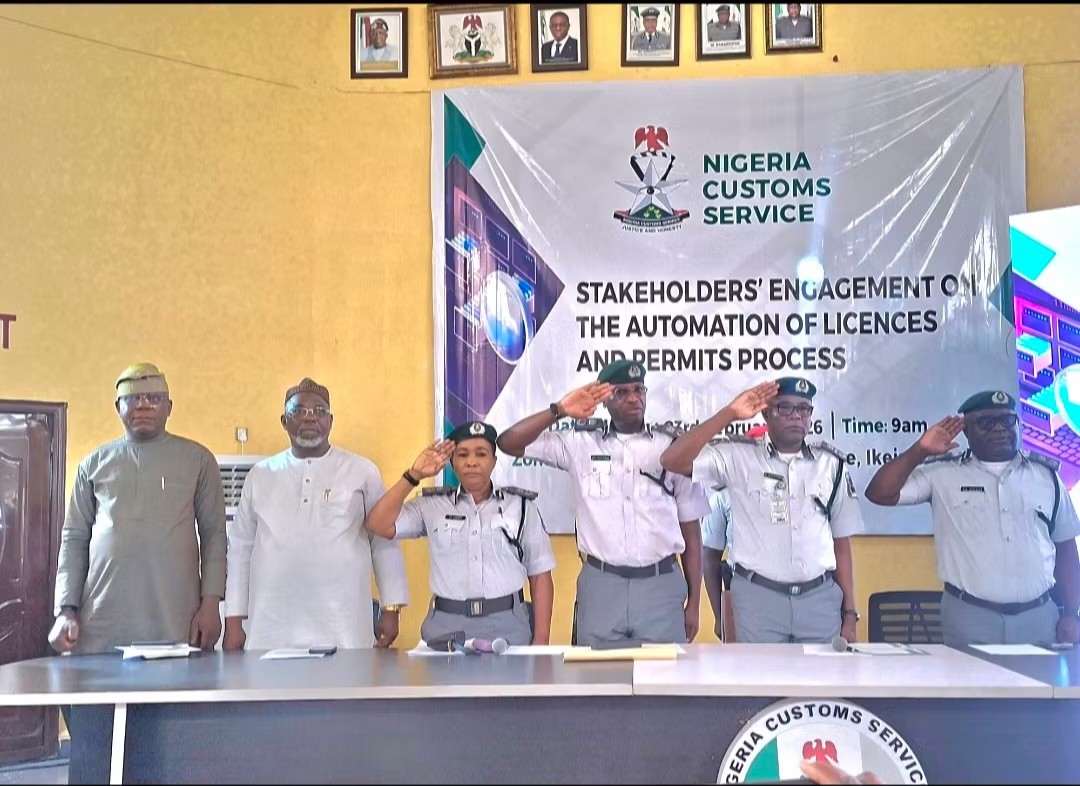
The Nigeria Customs Service(NCS ) said under the leadership of its incumbent Comptroller General (CGC), Adewale Adeniyi, the Service remains among the most automated Customs Services in the world. The revelation was made in Ikeja, Lagos State on Monday February 23, 2026 during the launch of the NCS automated system for obtaining licences and permits, as well as renewal of existing licences for shippers, commonly referred to as clearing and forwarding agents.
During a one-day sensitisation forum on the full automation of its Licences and Permits processes, the Service said the innovation is intended fast track the clearing processes and also achieve more revenue into the Federation Account.
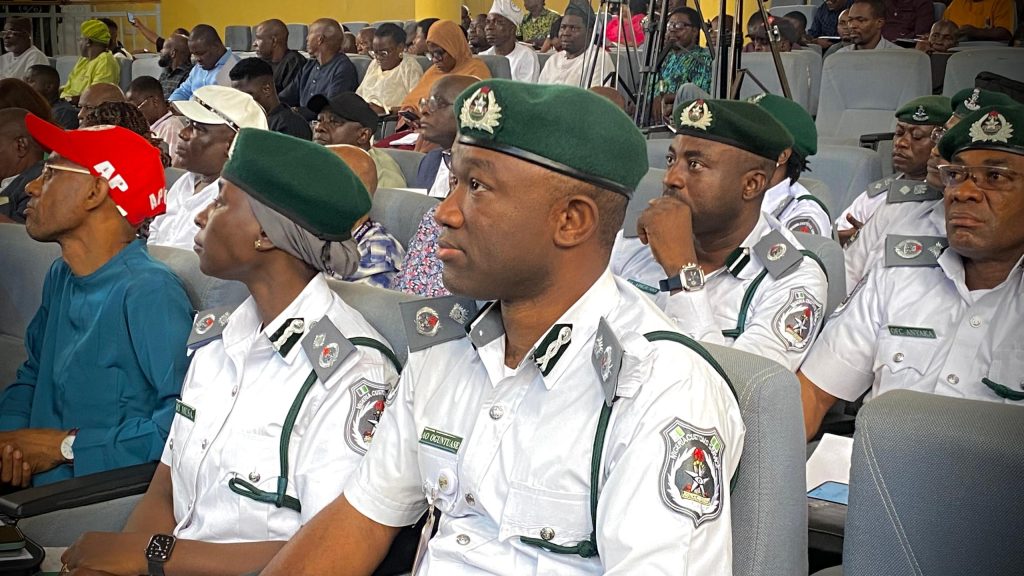
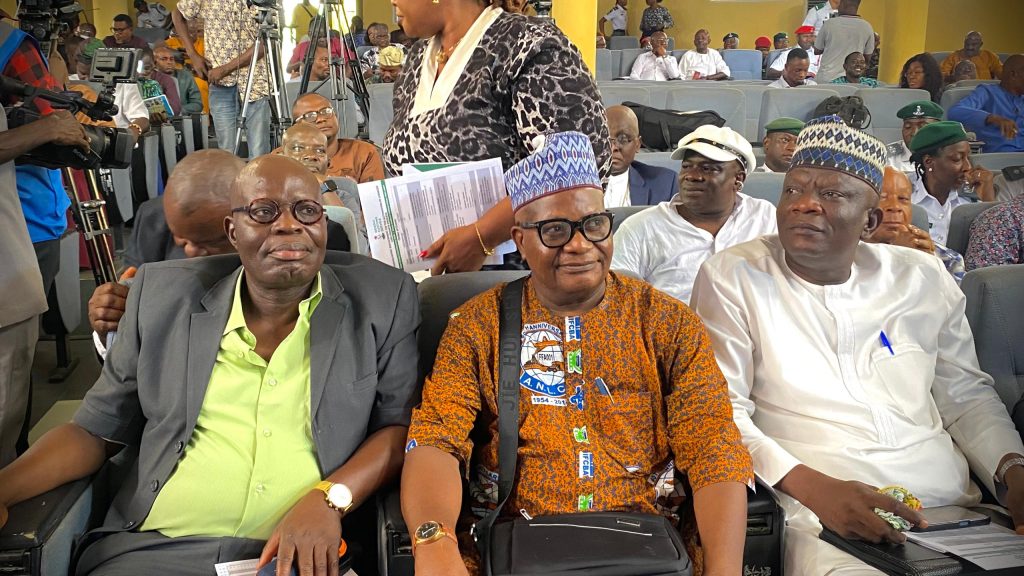
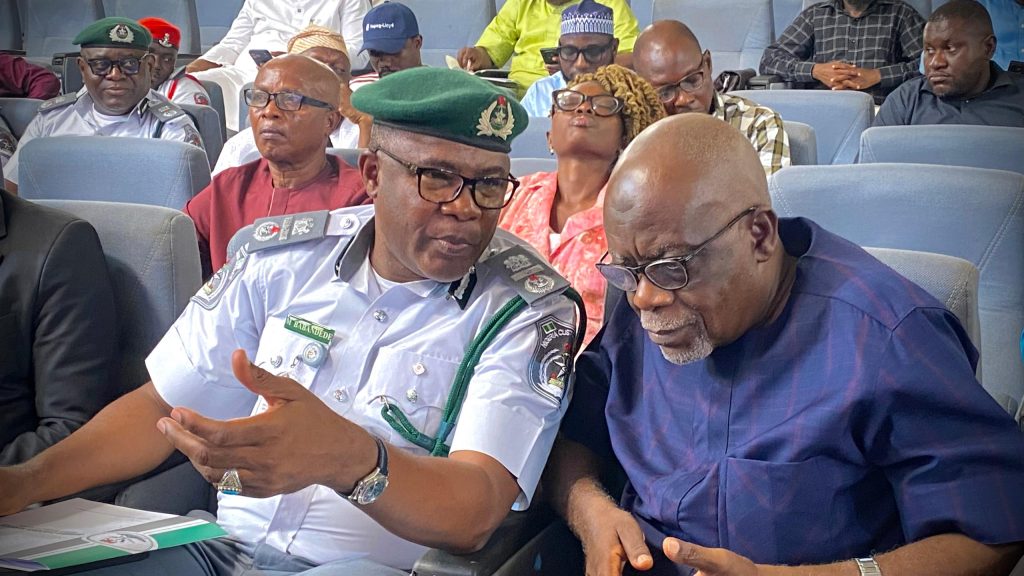
According to the NCS, the sensitization was also done simultaneously across all Zones of the Service to acquaint stakeholders with the new digital system before its full implementation. Ths event came under the supervision of the Comptroller in charge of Licences and Permits Unit under the Tariff and Trade Department at the Customs Headquarters, Comptroller Ngozika Anozie. Also in attendance was the Zonal Coordinator of Zone A, Assistant Comptroller-General of Customs(ACG) Mohammed Babandede, who represented the CGC.
The NCS said the purpose of the automatio is to eliminate the longstanding bottlenecks that have characterised the manual processing of trade licences and permits.
Under the new system, importers, clearing agents, and freight forwarders will no longer need to travel to Customs offices or the Service’s headquarters in Abuja to apply for or renew licences and permits. The entire process can be completed digitally from any location, with real-time tracking of application status, the NCS hinted.
Other high ranking officers in attendance were the Customs Area Controllers (CACs) for the Ports and Terminals Multi-Services Limited (PTML) Customs Area Command, Tincan Island Port Area Command Comptrollers Joe Anani and Frank Onyeka respectively among others, leaders of Customs licensed agents and freight forwarders and other stakeholders also attended the event.
Speaking at the event, ACG Babandede described the initiative as the beginning of a new chapter in service delivery, noting that Zone A, as the most economically active zone in the country, bore particular responsibility for getting the transition right.
He said, “For Stakeholders, automation means that you will no longer have to go to
a Customs office simply to apply for or renew a licence or permit. You will
be able to do this from your office or even from your phone.
“It means your applications will be processed faster. It means you will be
able to track the status of your application in real time. And it means that
the process will be the same for everyone, fair, consistent, and without
the risk of error that comes with manual records.
“For the Service, automation means better record keeping, easier supervision, and the ability to serve more Stakeholders at once without increasing the burden on our officers. We know that change, even when it is for the better, can feel uncomfortable at first. I want to assure you that the team here today, led by the Comptroller of the Licences and Permits Unit, will walk you through every step of the new system”.
He said the reform was a direct response to years of complaints about paperwork, long queues, and the opacity of manual processing.
Comptroller Anozie, in her address, outlined the broader benefits of the automation drive, tying it to the Comptroller-General’s three-point agenda of Consolidation, Collaboration, and Innovation.
She explained that the system would not only reduce costs and save time for trade operators, but would also help detect fraudulent documents automatically and allow the Licences and Permits Unit to cross-check for unpaid assessments through the B’Odogwu platform before processing applications.
She added that every licence and permit issued translates into revenue for the federal government, making the increased efficiency of the automated system directly beneficial to national earnings.
According to her, officers across various Customs Area Commands have already received training ahead of the rollout.
Speaking on the benefits of the automation, she said “Ultimately, this automation will enhance the statutory revenue generation duties of the Nigeria Customs Service, because fees are paid into the coffers of government with every single licence and permit processed; imports are made with the permits, the clearing processes are stamped with the licences given and obviously, revenue is generated.
“So, the more licences and permit we issue or renew, the more revenue we would generate for NCS and Nigeria economy.
“Automation elicits more efficiency and productivity from the officers as they leverage on the seamlessness of the process to work on more documents in minutes with greater output”.
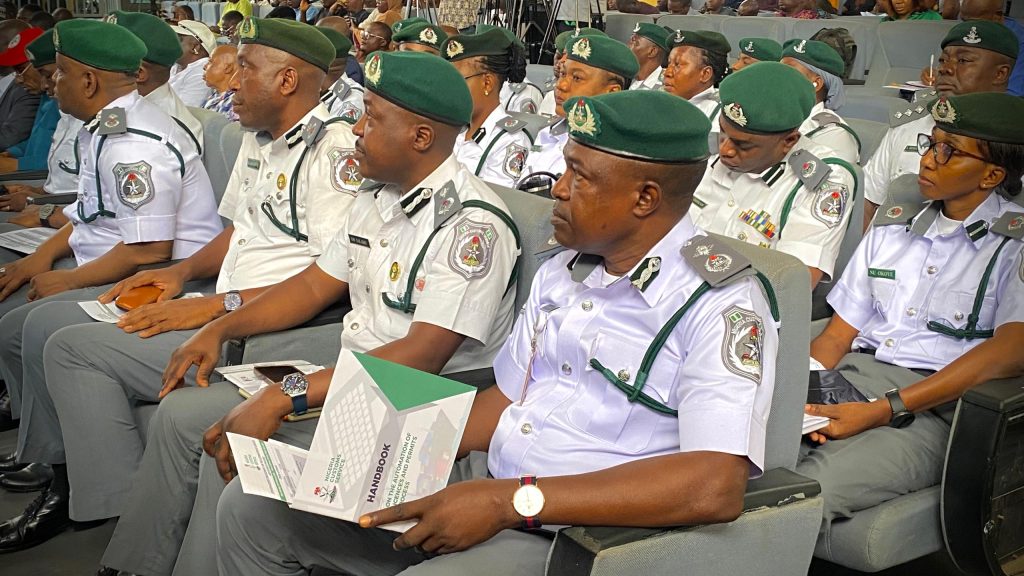
Stakeholders at the event were also taken through their own part of the application process, the service provided handbooks and step-by-step posters to guide them through applications. Also Customs ICT officers were in attendance to guide the trading community on the steps for applications.