
Condemnation and protests continue to trail President Bola Tinubu’s fixation on the development of only the Lagos Ports infrastructure, while neglecting such other ports in the South east and South south as if they do not add value to the national economy
By Innocent Chukwu
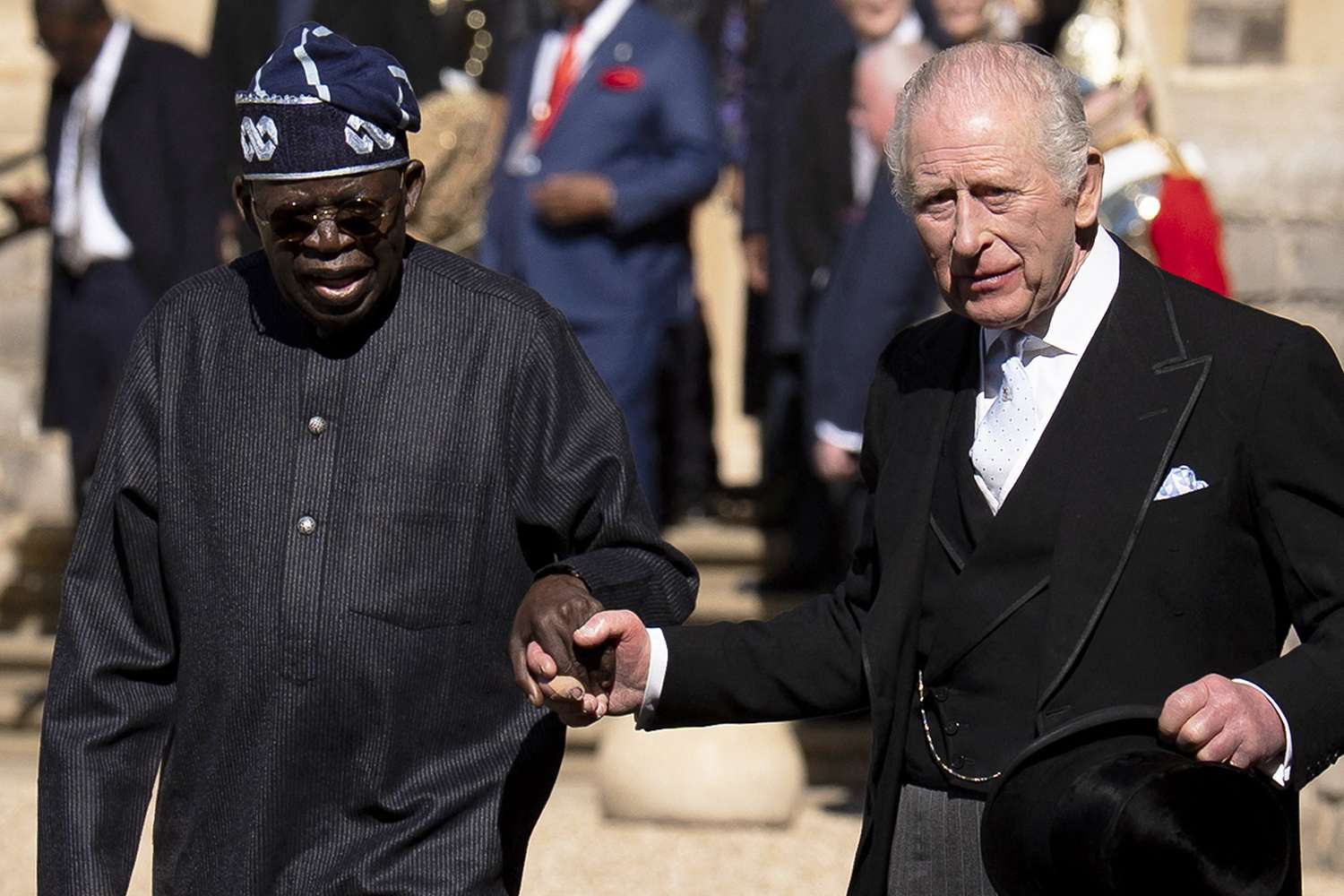
President Bola Tinubu has come under intense criticism from South south and South east regions over his unbalanced investment in the development of the nation’s ports infrastructure. Tinubu once again demonstrated his desire to concentrate ports infrastructure rehabilitation only in the Lagos ports since his administration birthed in 2023, when he traveled recently on a state visit to the United Kingdom (UK).
While in the UK, Tinubu met with the Prime Minister, Keir Starmer in London on Monday, March 23, 2026 in a high-level bilateral engagement aimed at strengthening Nigeria-UK relations and boosting economic collaboration.
A statement issued by the Tinubu’s Special Adviser on Information and Strategy, Bayo Onanuga, said the meeting culminated in the signing of several Memoranda of Understanding (MoUs) and agreements spanning trade, investment, defence, and cultural cooperation.
A major highlight of the visit was the signing of a £746 million financing deal between UK Export Finance, the Nigerian Ports Authority, and the Federal Ministry of Finance. The agreement will fund the refurbishment of two major ports in Lagos, the Lagos Port Complex (Apapa Quays) and the Tin Can Island Port Complex, supporting Nigeria’s ambition to modernize key transport and trade infrastructures.
The statement added that the engagements reaffirmed Nigeria’s commitment to deepening bilateral ties, attracting foreign investment, and driving infrastructure-led economic growth.
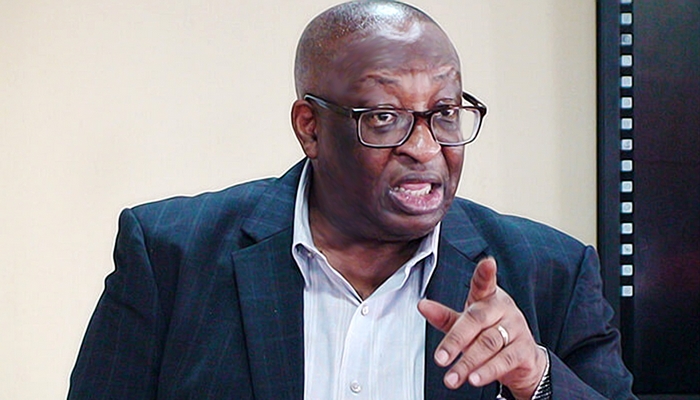
Prof. Akpan Ekpo, a renown economist, was to fire the first salvo against Tinubu’s lopsided development initiatives which sidelined other regions of the country. Speaking on a recent interview, Prof. Ekpo said Tinubu’s trip to UK had no concrete benefits except to plunge Nigeria deeper into foreign debts. He argued that beyond the glamorous hosting of the president, his wife and retinue of government officials, nothing again would benefit Nigerians, “It will only put Nigeria in deeper debt.”
The economist further said that Britain will use its equipment to rehabilitate those two ports. He asked why Tinubu would not negotiate the issues of electricity and insecurity with the British authorities. “Why couldn’t the president ask Britain to help us have electricity, resources were wasted, advanced party went earlier, yet they couldn’t fashion out something that will be beneficial to Nigerians. The MoU should have been sent to the National Assembly and experts to examine it before signing. Revive the steel industry that is collapsing, the MoU was not a win-win situation because generations of Nigerians may end up paying the debts.
“There is no transparency in the port deal contract. I’m not surprised that the contractor is not competent, what of the N1 billion port revamp of last year; is it in connection with this fresh one? Was there a tender process before the contract award? What is the role of the concessionaires in this project? When was the tender process advertised so that companies would have bided? What is the interest rate accrued to the fund?
“Why is the focus only on Lagos ports? I have my suspicion, a country must have balanced development to avoid instability. You need to explain why other ports are not captured in the contract,” Prof. Ekpo concluded.
As much as Prof. Ekpo’s posers remain unanswered, the Delta Democrats Forum (DDF), has also raised the alarm over the continued neglect of the various ports in the oil-rich Niger Delta by the Federal Government, describing it as unjustifiable.
The forum, in a statement by its convener, Mr. Ufuoma Atare, said the people of the region, whose oil wealth sustains Nigeria, continue to live in neglect, deprivation and broken promises. The statement read, “It is painful and both unacceptable that while the Niger Delta remains the economic backbone of this country, we are denied the very infrastructure that should naturally come to us.
“Of particular concern is the continuous neglect of our ports, the same ports that should serve as engines of development, commerce and opportunity for our people.
“How can it be justified that functioning ports in Lagos continue to receive attention, upgrades and even loans, while Niger Delta ports remain abandoned, under-utilised or completely non-functional? Are we not part of Nigeria? Do our contributions not matter?
“The people of this region have watched for years as successive administrations make promises that never materialised. We have seen policies announced, committees formed, and budgets allocated, yet nothing changes on ground.
“Our waterways remain idle, our youths remain unemployed, our economy remains deliberately stifled.
“A functional port in the Niger Delta is not a privilege, it is a necessity. It is a right. It will create thousands of jobs for our young people, stimulate regional and local economies, reduce pressure on Lagos ports and enhance national productivity and revenue.”
In the same vein, the Ijaw National Congress (INC), has launched a scathing attack on the Federal Government over what it describes as a “structural imbalance” in maritime infrastructure planning and development.
The INC said it was taking aback over President Tinubu’s procurement of the £746 million loan from the United Kingdom, exclusively for the modernisation of the Lagos Port Complex and the Tin Can Island Port.
In a statement, the INC said while the development of Lagos ports was not unwelcome, the total neglect of strategic maritime assets in the Niger Delta was unacceptable. The INC through its President, Prof. Benjamin Okaba, noted that ports in Warri, Burutu, Koko, Sapele, Onne, and Calabar remain comatose, while deep seaport projects at Brass, Bonny and Agge have been abandoned despite the region accounting for over 60 per cent of Nigeria’s coastline.
Okaba stated, “We cannot continue to watch the Federal Government mobilise foreign loans and political will for port development in one part of the country while strategic maritime assets in the Niger Delta, assets that sit on over 60 per cent of Nigeria’s coastline are left to decay.
“These ports were not built for Niger Delta alone, they are national assets. Their neglect constitutes a denial of economic opportunity to the entire South-South region and a breach of the federal principle of equity.”


