
In a solidarity statement and call to action, Ghana’s proposed United Nations (UN) resolution declares the trafficking and racialized chattel enslavement of Africans as the gravest crime against humanity
By Edu Abade
In September 2025, during the General Debate of the 80th United Nations (UN) General Assembly, President of Ghana, H.E. John Dramani Mahama, announced his intention to present a resolution formally recognizing the trafficking and chattel enslavement of Africans as the “the gravest” crime against humanity.
The proposal, which was debated at the General Assembly on March 25, 2026 on the International Day of Remembrance for the Victims of the Transatlantic Trafficking of Africans, remained a historic opportunity to reposition the international debate on memory, historical truth and reparatory justice.
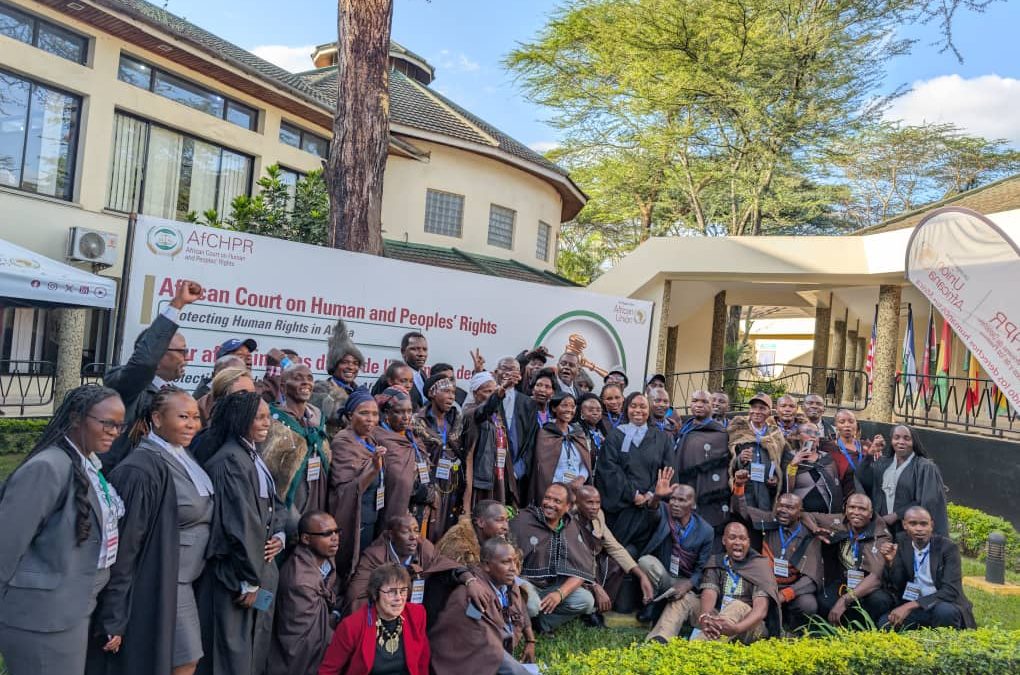
In its statement of solidarity a call to action issued in Arusha, Tanzania on March 18, 2026, the Pan African Lawyers Union (PALU), said the union stood in solidarity with the Republic of Ghana, acting on behalf of the African Union, in advancing what it described as a historic initiative.
“This moment presents an important opportunity to strengthen African unity around our shared history and to reaffirm our collective responsibility to honour the memory of our ancestors, defend historical truth in advancing this agenda.
In doing so, we are reminded of the shared historical interests of countries with significant populations of African descent, many of which were directly shaped by the trafficking and racialized chattel enslavement of Africans.
“We, therefore, recognize and welcome the growing cooperation between the African Union (AU) and the Caribbean Community (CARICOM), including the Transcontinental Partnership in Pursuit of Reparatory Justice for Africans and People of African Descent. A unified vote in support of this resolution would signal collective strength and a shared determination to see the pursuit of reparations for Africans and people of African descent through to its conclusion.
“Further, we acknowledge the allyship of partners across the broader global community who recognize and empathize with the struggle for African liberation. We call upon this global solidarity network of citizens, institutions, and communities, to stand with h, and advance the cause of reparatory justice,” the statement reads.
The statement also added, “We invite the African Diaspora to stand with the continent in advancing this agenda. In doing so, we are reminded of the shared historical interests of countries with significant populations of African descent, many of which were directly shaped by the trafficking and racialised chattel enslavement of Africans. We therefore recognise and welcome the growing cooperation between the African Union and the Caribbean Community (CARICOM), including the Transcontinental Partnership in Pursuit of Reparatory Justice for Africans and People of African Descent.
“A unified vote in support of this resolution would signal collective strength and a shared determination to see the pursuit of reparations for Africans and people of African descent through to its conclusion. Further, we acknowledge the allyship of partners across the broader global community who recognise and empathise with the struggle for African liberation.
“We call upon this global solidarity network of citizens, institutions, and communities, to stand with us at yet another pivotal moment in the defence of human dignity, and in the pursuit of redress for the crimes committed over centuries against the peoples of Africa and its Diaspora. We urge these allies to amplify our collective voice, and those of African peoples worldwide, whose calls for justice have resonated across generations.”
PALU explained that its members believe that justice and accountability are essential for restoring dignity, fostering reconciliation, and creating conditions for genuine development across Africa and the African Diaspora.
The group maintained that an essential element of the process is truth-telling and recognition, particularly acknowledging that the erasure of African history during and after these historical injustices has led to sustained harm that cuts across legal theory and procedure, heritage and identity, economics, and other aspects of contemporary African and African Diaspora societies.
“Thus, we affirm that the trafficking and racialized chattel enslavement of Africans was not merely an isolated crime, but a foundational rupture that reshaped the world for all peoples and constituted a definitive break in world history. As the world’s first global industrial enterprise, it generated the wealth that fueled the rise of the current global infrastructure and fundamentally transformed political, legal, and economic systems across continents.
“We recognize that across Africa, and globally the enduring legacies of these patterns make it a sustained harm that has transcended generations. Redressing these legacies requires sustained commitment to historical truths, emphasizing that the afterlives of chattel enslavement still define social, economic, and environmental realities for African peoples and the broader global community. We support the proposed resolution of qualification of this atrocity as the gravest crime against humanity, emphasizing that this qualification is descriptive, an articulation of truth, rather than a hierarchical assessment.
“It reflects the widely recognised scale, duration and systemic, enduring impact of racialized chattel enslavement, the combination of which constitutes an absolute crime, comparable to no other but itself. For these reasons, an abstention or vote against this resolution would place our continent and the broader international community on the wrong side of history. It will perpetuate the distortion of historical truths and betray the will and aspirations of survivors, and people, for generations to come. “The adoption of this resolution is not only a moral and historical imperative, but also an opportunity to lay the foundation for generational progress, restore public trust, foster healing and build genuine global solidarity with the descendants of chattel enslavement and all communities still affected by its enduring legacy.
“We urge every nation and leader to stand on the side of justice and truth. This declaration is yet another opportunity to correct past injustices. Let us boldly choose courage over complicity, and together, seize this moment to advance justice and forge a future rooted in dignity, equity, and shared humanity,” the statement added.