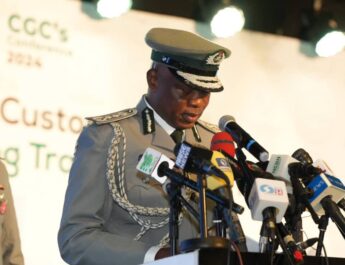
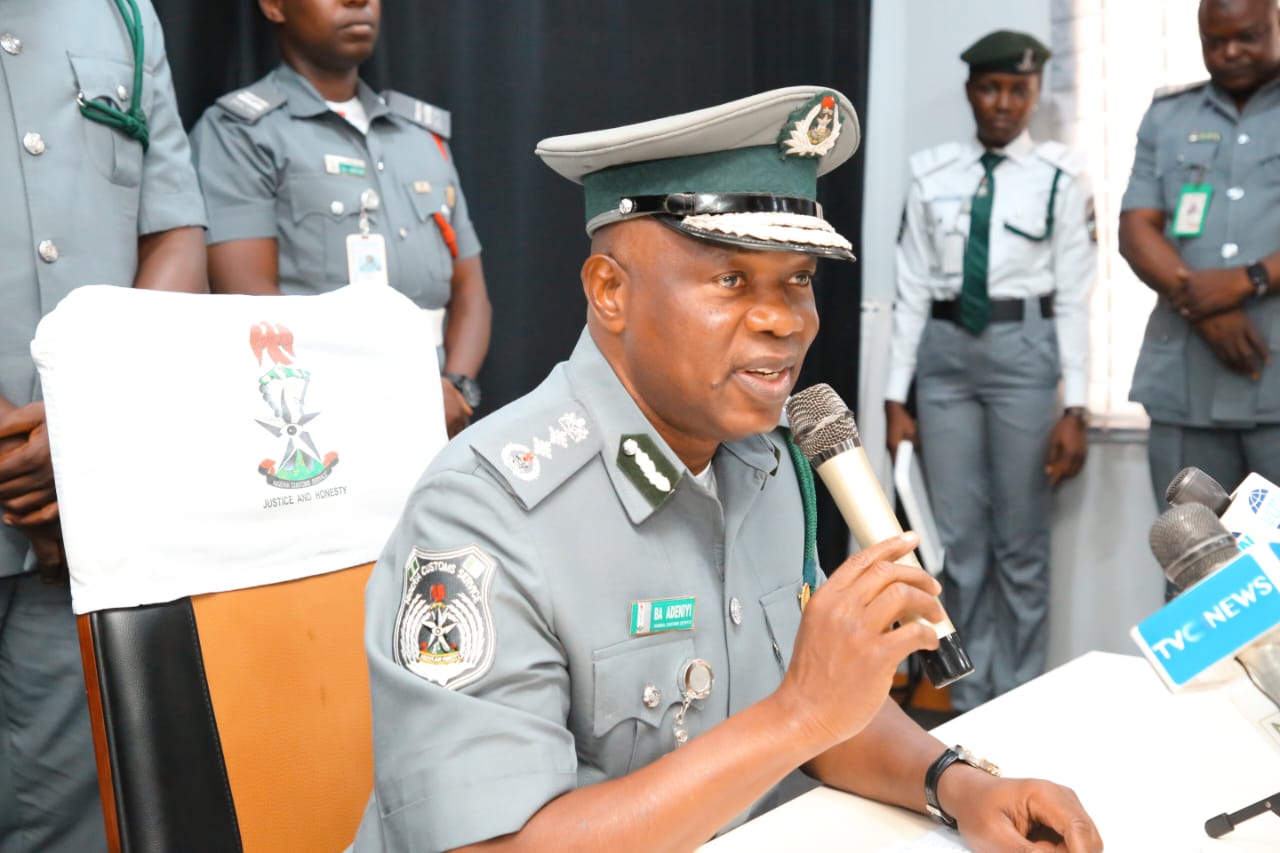
The Nigeria Customs Service (NCS), under the stewardship of Comptroller General Bashir Adewale Adeniyi, has made professionalism and continuous learning central to its modernization drive. At the Apapa Area Command, Comptroller Emmanuel Oshoba has taken this directive to heart, rolling out a comprehensive programme of capacity building and staff development that is reshaping the culture and performance of Nigeria’s busiest port.
Human Capital as the Engine of Reform
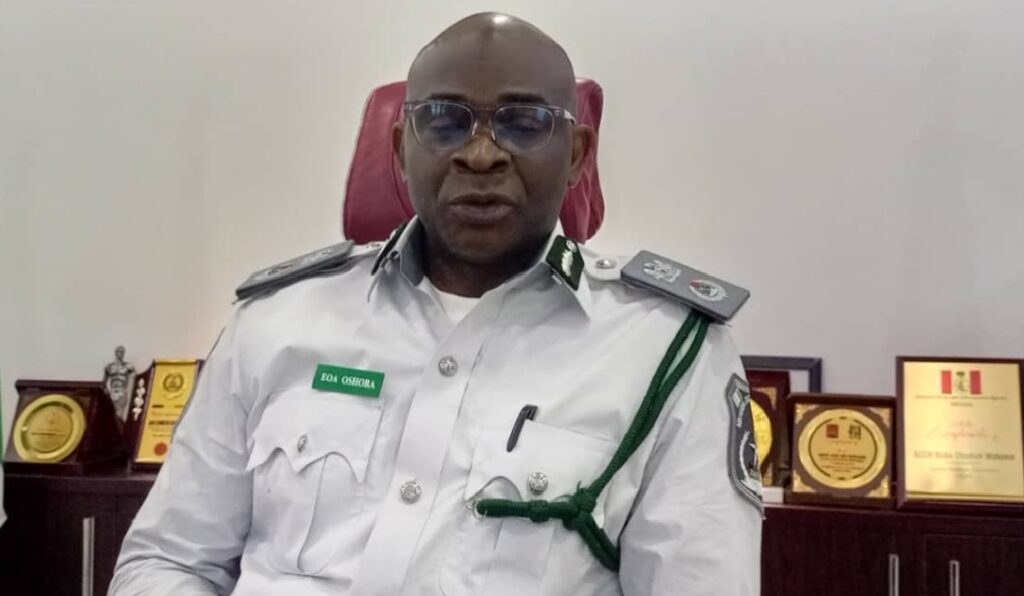 While digital transformation and automation have captured headlines, Oshoba insists that human capital remains the true engine of reform. “Technology is only as effective as the people who operate it,” he explained during a recent training session. “Our officers must be empowered with the right skills, values, and mindset to sustain the gains of modernization.”
This philosophy has translated into a multi-pronged approach: technical training, leadership development, ethics reinforcement, and cross-sector collaboration. Over 300 officers have participated in ICT workshops, risk management courses, and trade facilitation seminars in the past year alone. These sessions are designed not only to sharpen technical expertise but also to instill discipline, accountability, and integrity.
Professionalism in Practice
Apapa Command has introduced mentorship programmes pairing senior officers with junior staff, fostering a culture of guidance and accountability. Leadership seminars emphasize decision-making under pressure, while ethics workshops reinforce the importance of transparency in daily operations.
During the last session, one officer shared his take: “The training has changed how we see our work. We are not just revenue collectors; we are facilitators of trade and guardians of national interest. That perspective makes us more committed to doing things the right way.”
Profiles in Professional Growth
An ICT specialist personnel who joined Customs five years ago with a background in economics said after undergoing intensive ICT training at Apapa Command, she now manages digital compliance systems that process thousands of cargo entries weekly. “Before, we relied heavily on manual checks, which slowed everything down,” she explained. “Now, with digital tools, I can clear compliant consignments in hours, not days. It feels good to be part of a system that works better for everyone.”
For another officer who is versed in anti-smuggling, he explained that his career took a new turn after a specialized intelligence training at the command. He now leads a small team that uses data analytics to identify suspicious cargo patterns. “The training opened my eyes to how technology can support enforcement,” he said. “We intercepted a shipment of contraband last quarter because we could spot anomalies in the cargo manifest. That success boosted our confidence and showed the value of continuous learning.”
Also speaking on the subject matter, a senior officer proficient in leadership mentoring and has served at Apapa for close to a decade says she mentors younger officers, guiding them on ethics and professionalism. “I tell them that Customs is not just about revenue; it’s about protecting society and facilitating trade. When they see the bigger picture, they carry out their duties with pride and integrity”, she said, beaming with smiles.
Tangible Impact on Operations
The results of these initiatives are already visible. Officers trained in digital compliance now manage e-customs platforms with greater proficiency, reducing clearance errors and speeding up cargo processing. Intelligence training has strengthened anti-smuggling operations, enabling officers to intercept illicit consignments more effectively. In the last quarter, clearance efficiency improved by 30%, a direct reflection of enhanced staff competence.
Stakeholders have noticed the difference. A representative of the Association of Nigerian Licensed Customs Agents (ANLCA) speaking with our reporter, observed: “We now deal with officers who are more knowledgeable, more professional, and more responsive. It makes compliance easier and builds trust between Customs and the trading community.”
Collaboration Beyond Borders
Apapa Command has also embraced partnerships with institutions of learning, professional institutes, and international organizations. Joint seminars with academic institutions expose officers to global best practices, while exchange programs with other commands foster peer learning. These collaborations ensure that officers are not only trained for today’s challenges but are prepared for the evolving demands of global trade.
Recall that CGC Adeniyi had emphasized this outward-looking approach, saying: “Customs officers must be global citizens in their outlook. By learning from diverse sources, they bring innovation and integrity into their daily operations.”
Looking Ahead: Preparing for Tomorrow
The Command is expanding its training portfolio to include advanced modules in artificial intelligence, data analytics, and blockchain applications for customs operations. These forward-looking initiatives will ensure that officers remain at the cutting edge of global customs practices, ready to meet the challenges of tomorrow.
Succinctly capturing the essence of capacity building and training, Comptroller Oshoba said: “Capacity building is not a cost; it is an investment. Every naira spent on training today saves us inefficiencies tomorrow and builds a Customs Service that Nigerians can trust.”
Conclusion
Capacity building and staff development at Apapa Area Command are more than administrative exercises; they are strategic investments in the future of Nigeria’s trade ecosystem. By equipping officers with skills, values, and global perspectives, Comptroller Oshoba is ensuring that modernization is sustainable and integrity-driven.
The Command’s human-centered approach reinforces the Nigeria Customs Service’s mission to facilitate trade, secure borders, and uphold national economic interests: proving that the strength of Customs lies not only in its systems but in its work force.