The Nigerian National Petroleum Company Limited (NNPCL), continues swimming in the murky waters of corruption, at the last count, the discovery by the Senate of a missing N210 trillion from the coffers of the Corporation jolts many Nigerians
By Udoka Ekeleme, Abuja
The missing N210 trillion from the accounts of the Nigerian National Petroleum Company Limited (NNPCL), has sent many tongues wagging. The funds which have been discovered by the Senate Committee on Public Accounts is huge enough, according to financial experts, to offset Nigeria’s debt burden of N159 trillion, and the country will still have a balance of over N50 trillion.
Analysts are worried that while officials of the NNPCL continues in alleged embezzlement of its funds, the Federal Government continues in its borrowing spree. Yet, no heads have rolled in the Corporation.
On Wednesday, April 15, 2026, the Senate intensified pressure on the NNPCL to account for the missing funds. The Senate summoned the NNPCL’s current and former top executives to appear before it on April 29, over the alleged N210 trillion yet to be properly accounted for in audit reports spanning 2017 to 2023.
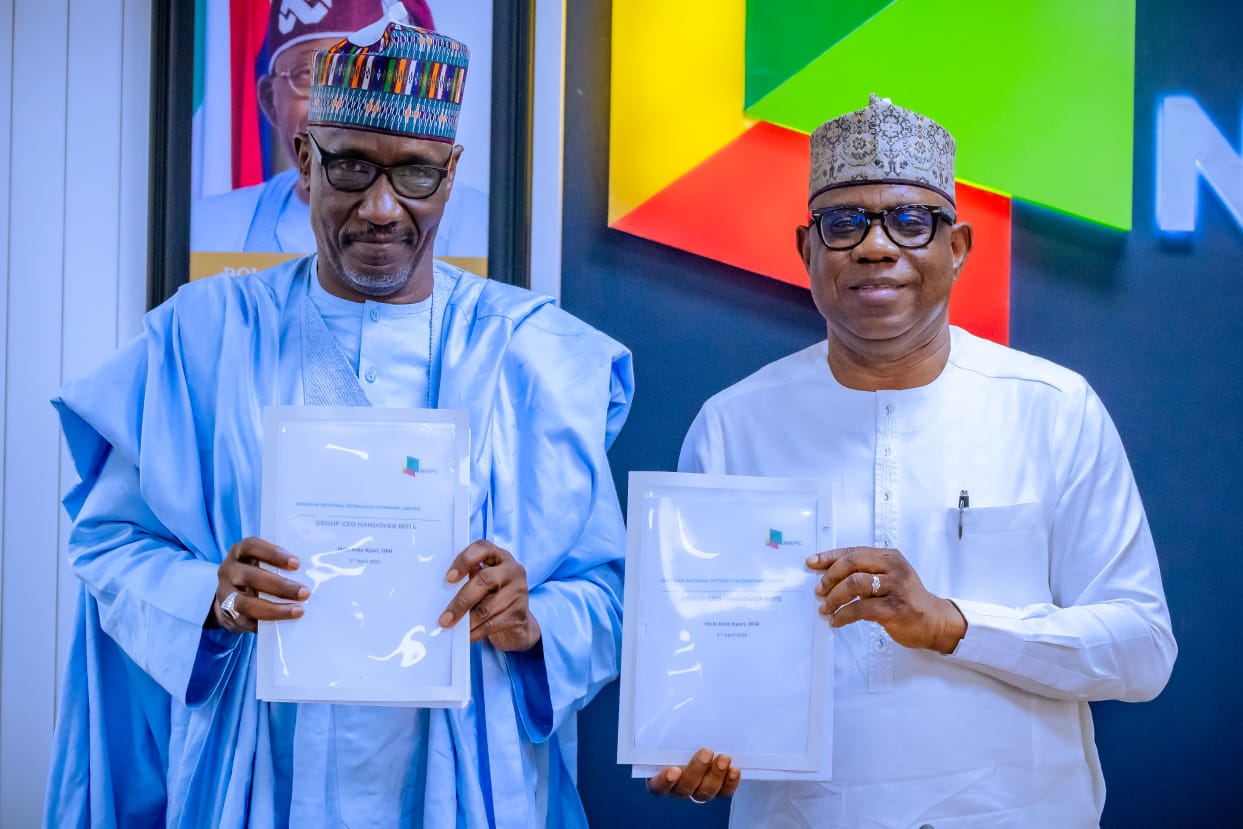
The directive, issued by the Senate Committee on Public Accounts, specifically mandated the Group Chief Executive Officer (GCEO) of NNPCL, Engineer Bayo Ojulari, to lead the immediate past GCEO, Mele Kyari, alongside former Chief Financial Officer, Umar Ajia, Dr. Bala Wunti, and the company’s external auditors to appear unfailingly before the panel.
The Senate Committee’s resolution followed a motion moved by Senator Osita Izunaso (Imo West) and seconded by Senator Adams Oshiomhole (Edo North), amid growing concerns over what lawmakers described as unsatisfactory responses from the national oil company to multiple audit queries.
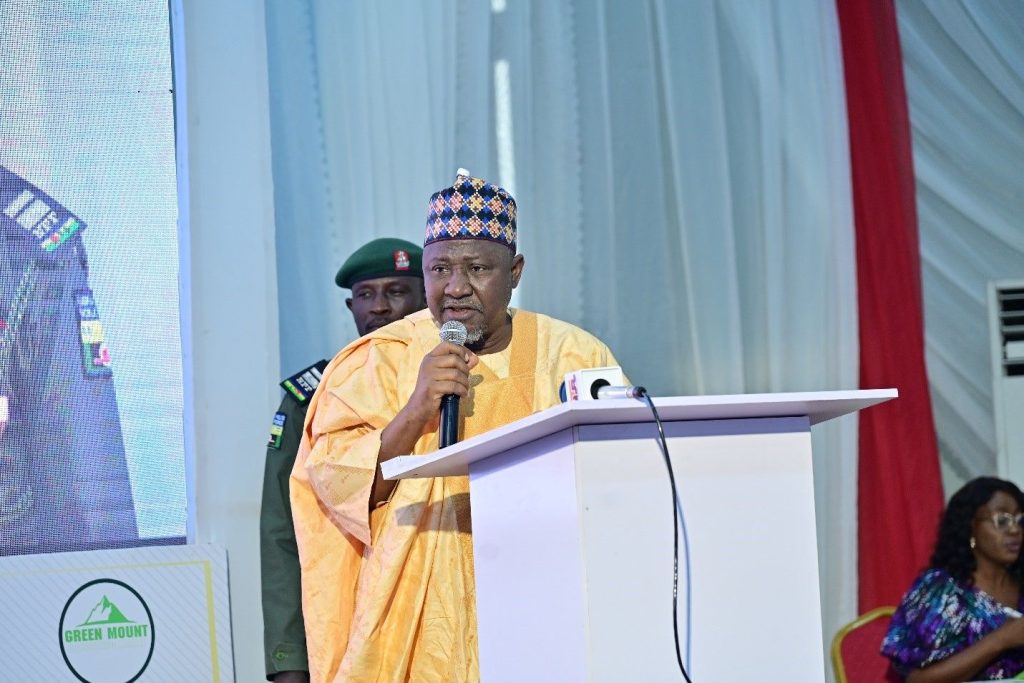
The Chairman of the Committee, Senator Aliyu Wadada (Nasarawa West), stated that the Senate would no longer tolerate vague or generalised explanations regarding the massive sum in question, he insisted that Nigerians deserve full transparency and accountability.
Senator Wadada said that the N210 trillion flagged in the audit reports of NNPCL remained inadequately explained, particularly the N103 trillion, which NNPCL reportedly classified broadly as “liabilities.”
Wadada said, “This Committee, and by extension the Senate, is not satisfied with the blanket explanation given by NNPCL on the N103 trillion said to be liabilities.
“Liabilities are not a single line item. They comprise retention fees, legal fees, and audit fees. The specific amounts spent on each of these components must be clearly stated and justified.”
He demanded a comprehensive breakdown of the remaining N107 trillion, which the company claimed was expended on Joint Venture Cash Calls and debts allegedly owed by unnamed defunct banks. He stressed, “Detailed explanations must also be provided on the N107 trillion said to have been spent on JVC cash calls and funds tied to defunct financial institutions whose identities have not even been disclosed.
“Explanations or answers given by NNPCL to the 19 queries raised are unacceptable. Nigerians are entitled to convincing and detailed explanations on how public resources of this magnitude were managed.”
Accordingly, the Committee granted what it described as a final two-week window for compliance, warning that failure to appear on the scheduled date could trigger the invocation of the Senate’s constitutional powers to compel attendance.
According to Wadada, “NNPCL is hereby given an additional two weeks to appear before this committee unfailingly. The deadline for compliance is Wednesday, April 29, 2026.
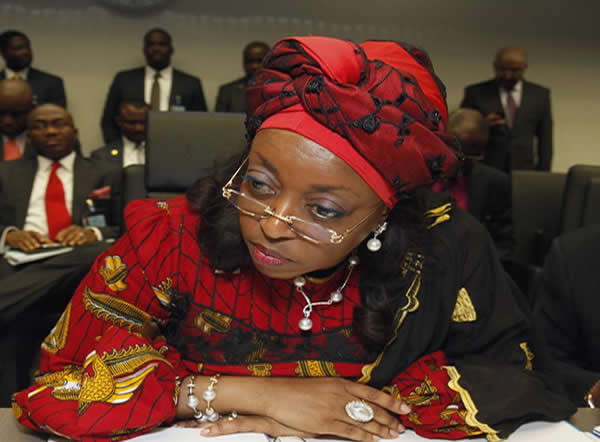
In the recent past, the NNPCL has remained in the eye of the storm over allegations of corrupt practices amongst its top echelon. The sleaze at the NNPCL goes on without Federal Government’s intervention to save the country from these huge losses. Currently, a former Minister of Petroleum Resources, Diezani Alison-Madueke is undergoing trial in the United Kingdom (UK) over bribery allegations linked to the NNPCL.
Alison-Madueke strongly denied allegations of bribery and abuse of office, while opening her defence at the Southwark Crown Court in London this month.
She was accused of accepting over £2 million in luxury spending sprees, properties, and cash bribes from Nigerian oil businessmen to grant government contracts between 2010 and 2015, the 65-year-old former minister has offered her defense, stating that, “I can state categorically that at no point did I ask for, take or receive a bribe of any sort from these persons and did not abuse my office”.
She described her role as largely ceremonial and a “rubber stamp” for decisions made by the technical committees and the Nigerian National Petroleum Company (NNPC).
Unfortunately, this is not the first time the Senate would probe the finances of the NNPCL without any tangible result at the end. Hence, many regard the latest probe as effort in futility.