
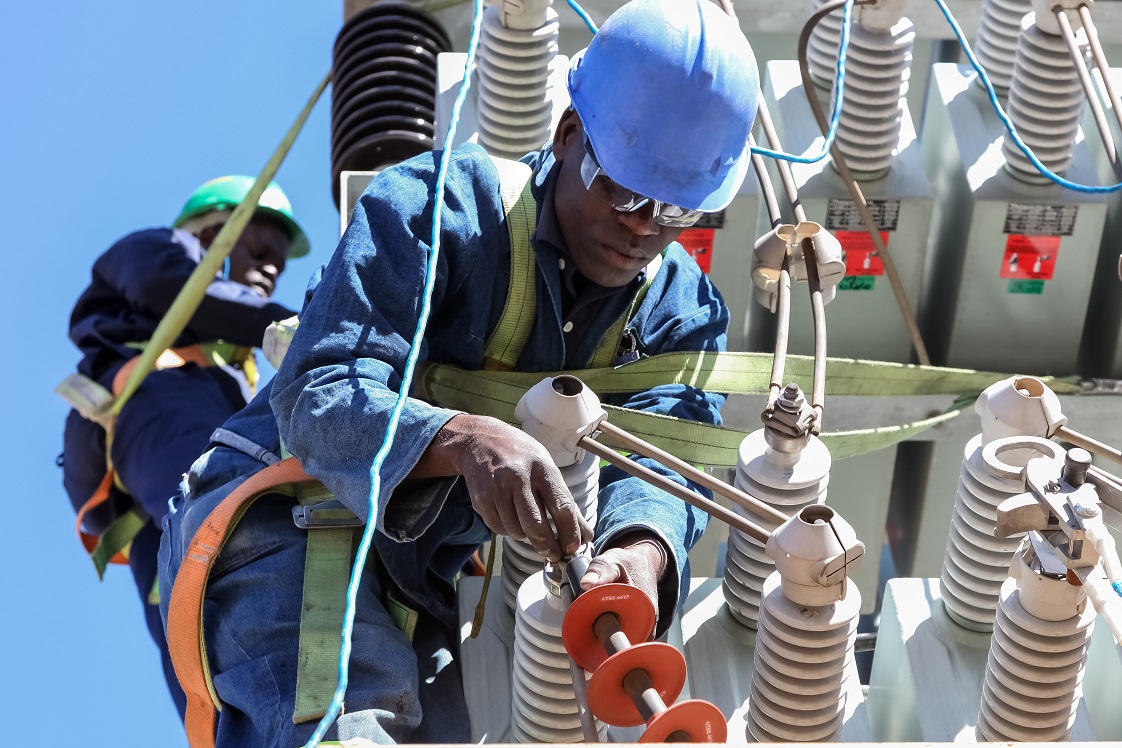
The recent prolonged electricity outage across many cities in the country is crippling businesses, even as manufacturers, Micro, Small and Medium Scale Enterprises (MSMEs) and Nigerians citizens groans under rising cost of electricity
By David Oladimeji
Nigeria’s worsening electricity crisis is taking a heavy toll on manufacturers, traders, small business owners and ordinary citizens, as prolonged power outages continue to disrupt economic activities, increase operating costs and deepen public frustration. Across different communities, the struggle for stable electricity has become a daily battle, with businesses and households increasingly questioning when reliable power supply will become a reality.
For manufacturers, the situation is particularly disturbing. Electricity remains the backbone of industrial production, yet many factories are compelled to depend on expensive alternative energy sources to sustain operations. The consequences include rising production costs, reduced profit margins and growing uncertainty over the future of local manufacturing.
A manufacturer struggling with the situation could hardly conceal the frustration, “How do you expect us to produce goods competitively when we spend so much money buying diesel to power our machines? Electricity should be an essential service, not an additional burden we must struggle to provide for ourselves?”

The complaint reflects the predicament of many industrial operators who said that unreliable electricity has become one of their biggest operational challenges. Rather than investing available resources in modern equipment, expansion and employment generation, they are forced to channel substantial funds into generators, diesel and maintenance.
Small business owners are equally frustrated. For a business operator whose livelihood depends on electricity, every additional hour without power represents lost revenue. Investigation carried out by this medium revealed that barbers, welders, cold-room operators, restaurant owners, printing businesses and other artisans are among those bearing the consequences.
A small business owner expressed his frustration this way: “Sometimes, we open our shops in the morning and spend the entire day waiting for electricity. When it eventually comes, it may disappear after a short time. How can we make enough money to pay our workers, rent and other bills under these conditions?”
For ordinary Nigerians, the situation is no less painful. Households are increasingly forced to adjust their daily routines around unpredictable electricity supply, while families with children, elderly relatives and people working from home face additional difficulties.
One frustrated electricity consumer put the public mood bluntly: “We pay our electricity bills, yet we still have to buy fuel to run generators. What exactly are we paying for? Electricity should make life easier, but instead, it has become another source of financial hardship.”
The situation is particularly troubling for families already battling rising food prices, transportation expenses, school fees and other essential household costs. Spending additional money on petrol or diesel simply to power household appliances further stretches already limited incomes.
For manufacturers, the economic consequences go beyond the immediate cost of generating electricity. Unscheduled power interruptions can disrupt production cycles, damage sensitive machinery, affect product quality and delay deliveries to customers.
For businesses dealing in perishable goods, prolonged outages can also result in substantial losses. Cold-room operators and food merchants must spend additional money maintaining alternative power supplies to prevent frozen products and other temperature-sensitive items from spoiling.
Another business operator in Lagos described the dilemma in these words; “If we don’t run our generators, we lose customers and possibly our products. If we run them continuously, the cost of fuel consumes whatever profit we make. Either way, the business suffers.”
The growing dependence on generators has also raised the concern about environmental pollution, noise and the additional health risks associated with prolonged exposure to generator fumes. In many commercial areas, generators have become so common that their noise has virtually replaced the normal sounds of business activities.
The consequences are also being felt by workers. As production expenses increase and business revenues decline, some companies are forced to reduce working hours, suspend recruitment or cut down their workforce. Such development, based on investigation, has worsened unemployment and undermined efforts to stimulate economic growth.
A concerned member of the public who expressed frustration of ordinary Nigerians, but pleaded not to be mentioned in print, said, “We are tired of hearing explanations about the power sector. People need electricity to work, children need it to study and businesses need it to survive. Government must understand that electricity is not a luxury.”
Beyond individual complaints, the power crisis raised fundamental questions about Nigeria’s industrial ambitions. How can local manufacturers compete with imported products when the cost of providing electricity independently continues to undermine their competitiveness?
The situation has placed Nigeria’s investment climate under scrutiny. Investors seeking stable operating environments may reconsider expansion plans when businesses must make enormous additional provisions for electricity before production can become profitable.
Although renewable energy solutions, particularly the solar power, can offer alternative opportunities, the high initial cost of installation remains a significant obstacle for many small businesses and households. Without affordable financing and supportive policies, such alternatives may remain inaccessible to a substantial section of the population.
The electricity distribution companies and relevant government institutions have been advised to confront the growing dissatisfaction among consumers. Nigerians deserve transparent explanations for prolonged outages, improved service delivery and accountability for the electricity charges imposed on them.
In the recent times, the country’s electricity crisis is no longer simply about darkness in homes and factories. It is about threatened businesses, endangered jobs, rising consumer prices and the erosion of public confidence in essential infrastructure. Experts argued that unless urgent and sustainable solutions emerge, manufacturers, traders and ordinary Nigerians will continue to bear the consequences of an electricity crisis that threatens the foundation of economic development.