
Scapegoats and silence trail South Africa’s dangerous blame game and elicits fresh scrutiny after drug bust and xenophobic attacks
By David Oladimeji
Whenever unemployment rises, crime worsens, prostitution becomes a national talking point, or drug abuse dominates public debate in South Africa, a familiar pattern often emerges — foreigners are quickly blamed.
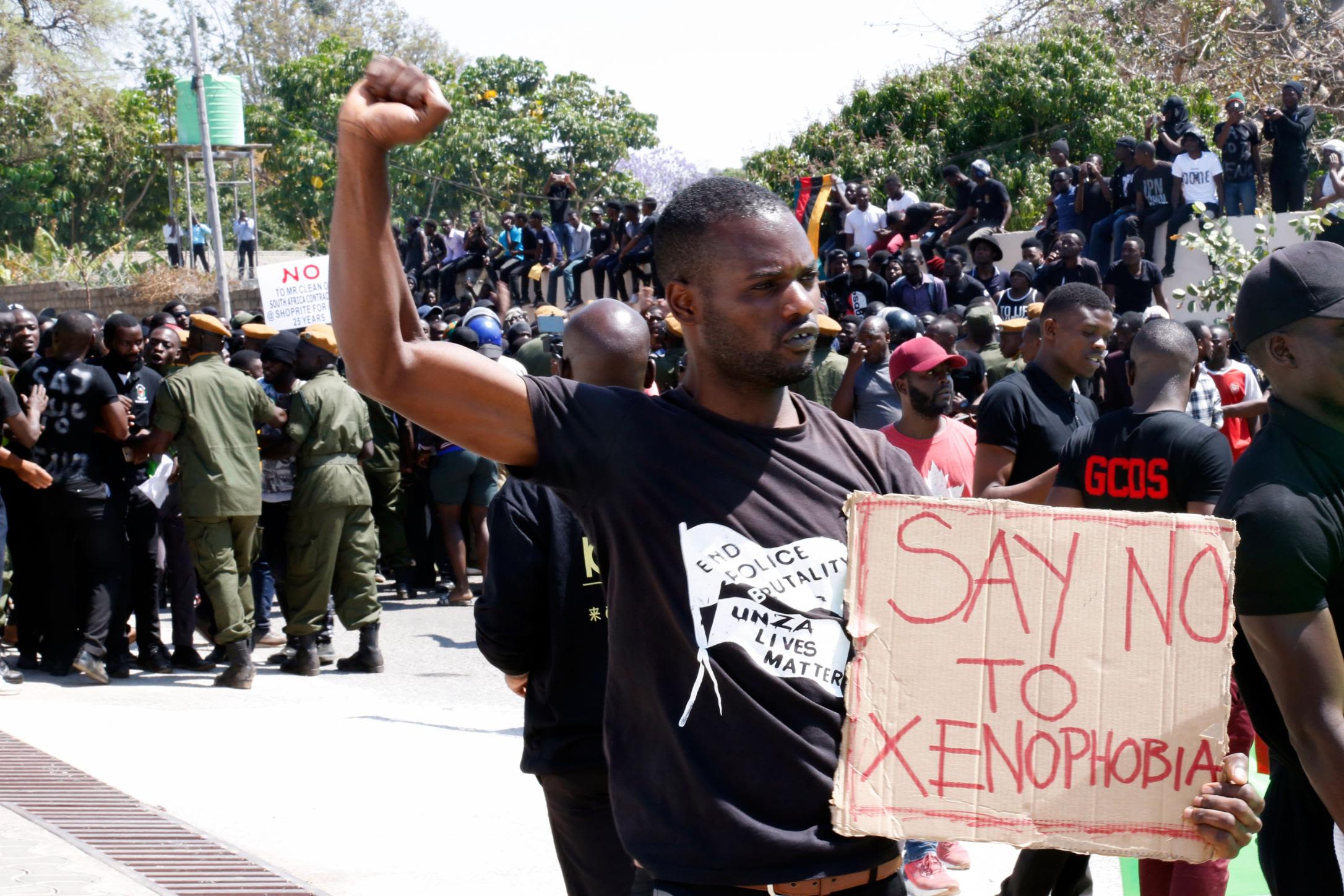
For years, African migrants, many from neighbouring countries, have repeatedly found themselves at the centre of public outrage, accused of taking jobs, driving criminal activity and contributing to social instability.
The narrative has become so deeply entrenched that for many immigrants living in South Africa, fear is now woven into daily existence. From violent xenophobic attacks to verbal abuse on the streets and relentless harassment online, migrants are frequently portrayed as the face of frustrations rooted in far more complex national challenges.
Across major cities including Johannesburg, Durban and Cape Town, waves of anti-immigrant sentiment have erupted over the years, often leaving foreign-owned businesses looted and communities displaced.
But a recent incident at the O.R. Tambo International Airport has reignited uncomfortable questions about the country’s tendency to assign blame.
Authorities arrested five South African women after allegedly discovering narcotics valued at more than R5 million hidden in shoes, underwear and, in some cases, concealed internally.
The arrests quickly triggered renewed scrutiny over what many critics described as glaring hypocrisy in public conversations around crime and accountability.
When foreign nationals are arrested for criminal offences, outrage often spreads rapidly across social media platforms. Calls for deportation intensify, anti-immigrant rhetoric escalates, and sweeping generalizations about entire communities become common.
Yet, when citizens are implicated in major criminal activities, critics argue that the public response is often far more subdued.
For many observers, that silence reflects a troubling reality — migrants have become convenient political and social scapegoats in a nation grappling with persistent economic hardship.
South Africa continues to battle soaring unemployment, widening inequality, corruption scandals and organized criminal networks — problems rooted in structural failures that extend far beyond migration.
Critics say some political actors and opportunists have repeatedly redirected public anger toward vulnerable foreign communities rather than confronting deeper governance challenges.
Even the logic behind the blame narrative has increasingly come under scrutiny, with analysts questioning how a relatively small migrant population can be held responsible for nearly every major social problem facing the country.
Behind the political rhetoric and viral headlines are thousands of African migrants simply seeking safety, opportunity and stability while enduring hostility and discrimination.
The latest airport arrests have once again underscored a difficult truth: crime has no nationality, and confronting systemic failures may prove far harder than blaming those with the least power to defend themselves.