
A sordid account of how Nigeria’s university graduates engage in demeaning menial jobs that challenge the benefits of harsh years of academic training
By David Oladimeji
They survived the unattractive and uninspiring university admission processes, endured years of irregular academic sessions and lectures ruptured by incessant strikes, overcome the lures of cult groups and other vices, as well as financial sacrifices made just to earn university degrees. For many graduates, their parents sold land, borrowed money, traded in markets and went without basic necessities to pay school fees. Yet, after graduation, many have found themselves living in a hell of doing menial jobs that steal their dignity and self-esteem.
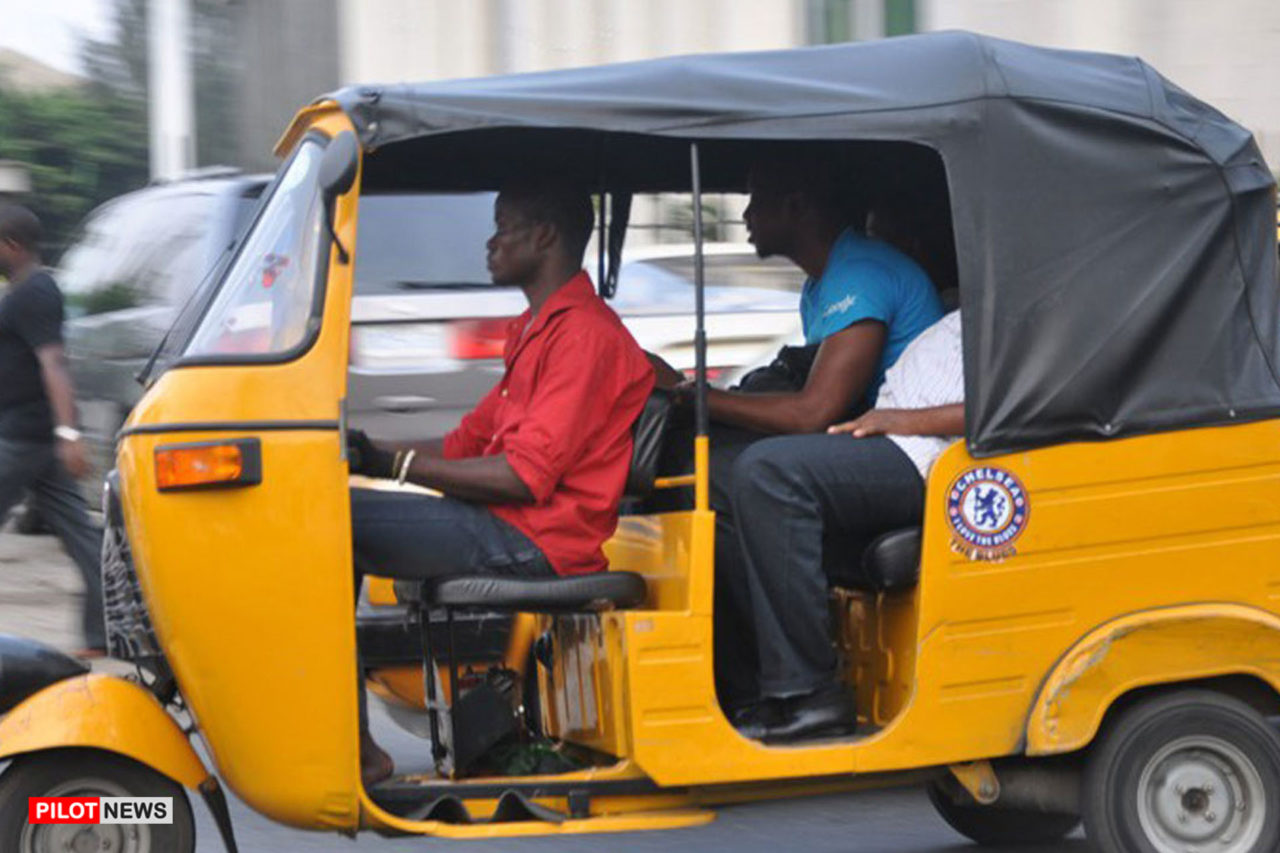
The above picture has become the unfortunate lot of most Nigeria’s university graduates as the country grapples with soaring unemployment rate that has defied remedy. These menial jobs include and not limited to Okada (motorcycle) riding, Keke (tricycle) driving, Bar and Club attendants, POS operation, Shawarma vendors, Truck drivers, Mini bus driving and Commercial taxi driving. Other menial jobs include House help, Petty trading, Supplement drugs hawking, Events venues decoration, Office cleaners, Online food vendors, Fuel station attendants, Canteen attendants among others.
These graduates all struggled painstakingly to navigate the unwelcoming four walls of the ivory towers in Nigeria, with an ambition and hope to secure meaningful employment in reputable business organizations or in government quarters. All the hopes and ambitions got dashed when after five or more years of graduation and youth service, dignifying means of livelihood that befit their years of academic struggles and intellectual capacities, still remained elusive.
For these graduates, the promise of higher education has become a painful struggle for survival in a country where unemployment and underemployment continue to frustrate the dreams of millions.
In the days of yore, university education in Nigeria was once regarded as a gateway to prosperity, social mobility and respectable employment. For many parents, sending a child to the university represented an investment in a better future, a chance to escape poverty and an opportunity to secure a more comfortable life for the entire family.
Today, however, that dream is increasingly colliding with a harsh economic reality. Thousands of graduates enter the labour market every year, only to discover that their certificates do not guarantee jobs, financial freedom or the dignity they expected after years of academic struggle.
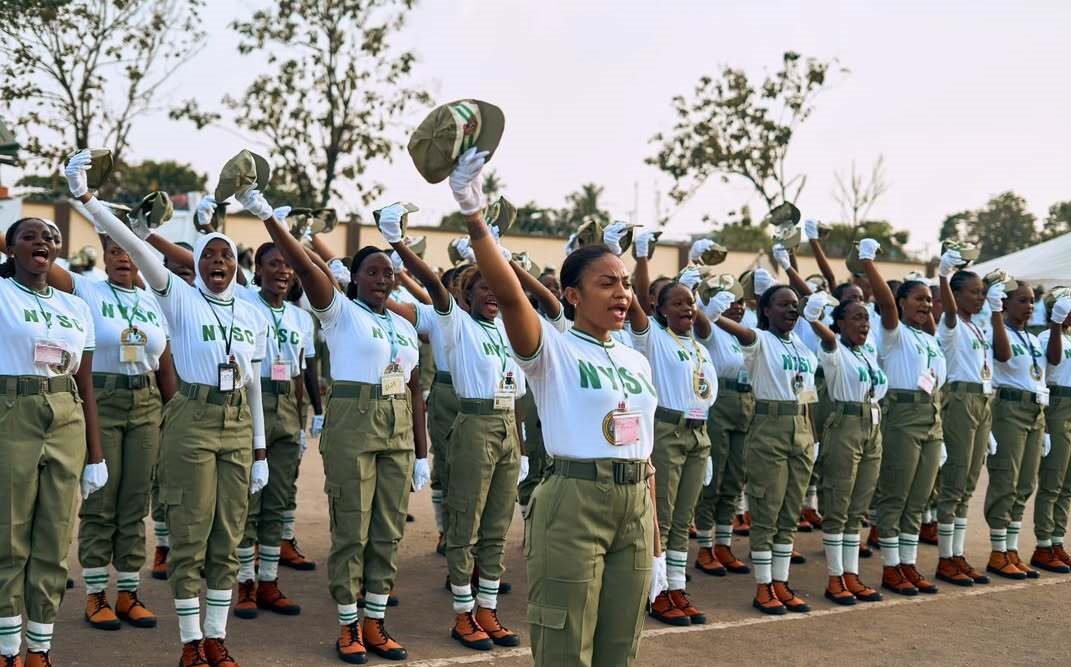
Across major cities, from Lagos and Ibadan to Abuja, Port Harcourt, Kano and Enugu, the faces behind the steering wheels of commercial buses, tricycles and motorcycles increasingly include young men, and sometimes, women who have passed through universities and polytechnics. Some have National Youth Service Corps (NYSC) certificates. Others hold bachelor’s degrees, postgraduate qualifications and professional certifications. But with formal employment difficult to secure, they have turned to whatever work can provide them with daily bread.
Their stories are often hidden behind the noise of traffic, the bustle of markets and the endless queues of commuters rushing to their destinations.
For some, driving a Keke or riding an Okada was never a childhood ambition, but now such menial job has become a desperate response to economic circumstances being witnessed in the country. Others work as commercial bus drivers, conductors, bar attendants, fuel station attendants and fast-food workers. Graduates can also be found operating point-of-sale (POS) terminals, selling provisions, trading in meat as butchers, preparing shawarma or hawking goods on busy streets. These occupations are not inherently shameful; every honest job deserves respect. The tragedy lies in the circumstances that forced qualified people into precarious work without adequate opportunities to apply their acquired skills, develop professionally or earn enough to build sustainable lives.
Consider the graduate who spent four or five years in university, completed the mandatory national service and then spent years searching for job. After submitting applications, attending interviews and receiving repeated promises, desperation eventually replaces optimism. Rent is due, food prices continue to rise, transport costs consume scarce resources and family members expect financial support. Eventually, the graduate took a commercial tricycle, joined a transport operator, opened a small POS stand or accepted work in an eatery joint. The decision is not necessarily a rejection of education; it is often a surrender to the immediate demands of survival. In the recent times, the Dangote Group had declared job offers for graduates as truck drivers with a considerable renumeration. But many questions were raised as to how skilled workers would be forced to become truck drivers in spite of their hard-earned academic training.
The financial returns from such jobs can be painfully modest. Depending on the location, working hours, ownership arrangements and operating expenses, some graduates in the informal and low-paid occupations may take home between ₦30,000 and ₦70,000 monthly. Others earn more, particularly those who own their businesses or enjoy steady customer traffic, while some earn considerably less. These figures should not be mistaken for a verified national average, because incomes vary widely across occupations and locations.
Nevertheless, where monthly earnings fall within that range, the question is unavoidable: How can a young person pay rent, feed properly, commute, support relatives and save for the future on such an income in today’s Nigeria?
A Keke driver who does not own the tricycle must meet the daily financial obligations attached to operating the vehicle. An Okada rider may face fuel expenses, maintenance costs and payments to the motorcycle owner. A commercial bus driver may work long hours under demanding conditions, while a bar attendant or fast-food worker may earn a modest wage despite standing for most of the day. POS operators must contend with transaction charges, business capital requirements, fraud risks and competition. Petty traders, butchers and shawarma vendors must purchase stock, manage spoilage and cope with fluctuating customer demands.
After these expenses, the money left for personal upkeep may be far less than outsiders imagine.
Behind every struggling graduate is often a family story that deserves attention. In poor households, parents frequently sacrifice far more than their children ever realised. Many graduates whose parents had no means of sponsoring their university education struggled on their own to train themselves, unfortunately this also found themselves doing the menial jobs that enabled them attend universities. A mother may sell food in a roadside stall from dawn until late at night. A father may spend years working as a driver, artisan, civil servant or petty trader. Some families borrowed money to pay tuition, accommodation and examination fees. Others sold valuable possessions or depended on relatives to keep a child in school. Their hope was that after graduation, they will eventually have a relief from hardship.
When the child returned home without a job, the disappointment can be profound, especially when the family is still repaying debts incurred to finance the education.
The emotional consequences can be as difficult as the financial hardship. A graduate who once looked forward to becoming an engineer, lawyer, journalist, teacher, accountant or administrator may find it painful to explain why years of study have not translated into a career. Family gatherings can become uncomfortable when relatives ask about employment. Former classmates may appear to be progressing while others remained trapped in uncertainty. Some young people struggle with feelings of inadequacy, frustration and lost identity. Yet, their circumstances should not be interpreted as evidence of laziness or personal failure.
Many are working hard, sometimes longer hours than those in formal employment, but without the security, benefits or opportunities needed to move forward.
The situation also raises serious questions about the relationship between education and the labour market. Universities continue to produce graduates across numerous disciplines on yearly basis, but the economy does not generate suitable jobs to absorb them. Employers frequently demand experience from applicants who have only recently completed their education. Some vacancies attract thousands of applications, while recruitment processes can be slow, expensive and inaccessible to candidates without professional connections. In other cases, the skills taught in tertiary institutions do not adequately match the changing needs of employers.
The result is a painful mismatch between educational qualifications and available employment opportunities.
Experts have advised that government cannot solve this problem merely by announcing recruitment exercises or establishing empowerment programmes. They said Nigeria needed a sustained strategy for expanding productive employment through manufacturing, agriculture, construction, technology, tourism, healthcare, education and the wider services sector. According to experts, small and medium-sized businesses require more reliable electricity, affordable financing, efficient transport infrastructure and predictable regulations to grow and employ additional workers. Public investment must translate into economic activity that creates decent jobs rather than remain confined to policy documents and budget announcements.
Without such structural changes, graduates will continue competing for a limited number of formal positions while millions improvise in the informal economy.
Academics advised that universities must have a responsibility to examine whether their programmes adequately prepare students for the realities of modern-day employment. According to them, academic qualifications remain important, but they must be supported by practical experience, digital competence, entrepreneurship, communication skills and meaningful industry partnerships. Students should have access to internships, vocational training and career guidance before graduation. However, this must not become an excuse to blame graduates for unemployment. No amount of personal initiative can create sufficient jobs in an economy that fails to generate enough productive opportunities. Skills development and economic expansion must go hand in hand.
The informal economy, meanwhile, deserves more serious policy attention. Keke operators, Okada riders, POS agents, small retailers, food vendors and other informal workers provide essential services to millions of Nigerians. Many operate under difficult conditions without adequate insurance, pensions, affordable credit or reliable social protection. Graduates working in these occupations should have access to opportunities to formalise their businesses, improve their skills and increase their earnings. Affordable loans, business support, cooperative arrangements and transparent regulations could help some transform survival activities into sustainable enterprises. The objective should not be to force everyone into office jobs but to ensure that honest work offers a realistic route to financial security.
There is also a question of national priorities. What is the benefit of asking poor parents to make enormous sacrifices to educate their children if the economy cannot provide reasonable opportunities for them to use their qualifications? The answer is not that education has become worthless. Education develops knowledge, broadens understanding and can improve a person’s ability to adapt to changing circumstances. But its economic promise weakens when the transition from school to work becomes an endless waiting room. A country that invests in educating its young people but fails to harness their abilities risks wasting human capital, weakening household incomes and deepening public frustration.
The consequences extend beyond individual families. When educated young people remain underemployed for years, the country loses productive capacity and potential innovation. Household spending weakens, tax revenues remain limited and poverty becomes harder to escape. Some graduates postpone marriage, abandon plans to own homes or delay further training because their earnings cannot support those ambitions. In today’s Nigeria, many graduates who have attained the age of 30 years and above are still living with their parents due to lack gainful employment. Others seek opportunities abroad, contributing to the continuing loss of skilled workers in sectors that need them. Meanwhile, those who remain may continue working hard without accumulating savings, pensions or assets. The danger is not that graduates are driving tricycles or selling food; it is that their labour and education may remain undervalued while their future prospects narrow.
Ultimately, Graduates Living in Bondage is a story about the widening gap between educational aspiration and economic opportunity in Nigeria. It is about parents who sacrificed their comfort to educate their children, graduates who refused to surrender to idleness and a labour market that often offers survival instead of progression. The young man driving a Keke may be an unemployed accountant; the woman selling shawarma may hold a degree in microbiology; the POS operator may have studied economics; and the fuel station attendant may have graduated in engineering. Their occupations do not diminish their dignity. But their struggles demand a national response. The measure of Nigeria’s educational success should not end with the number of certificates awarded at convocation ceremonies. It should also include the opportunities available to graduates to earn decent incomes, build productive careers and support the families that invested in their education. Until that promise becomes more attainable, many graduates will remain caught between the dreams their parents paid for and the harsh realities they must endure.