
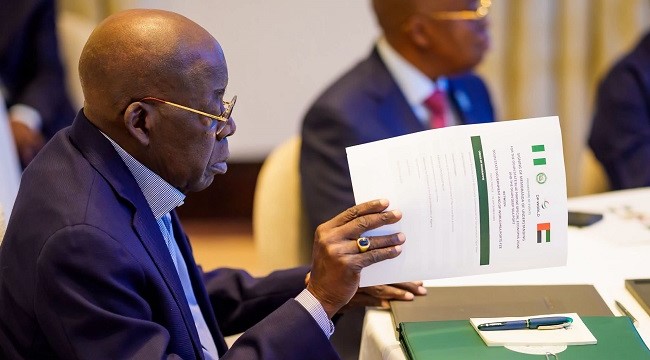
Why APC Turns Politics Into Battlefield – Opposition
Citizens accuse the All Progressives Congress (APC) of turning politics into a battlefield of sorts, as physical attacks on opposition parties’ rallies continues in Benue, Sokoto, Enugu, Edo, Delta and Lagos States, raising fears of electoral bloodshed, however the ruling party denies allegations while police face criticism over failure to curb political thuggery
By David Oladimeji
Nigeria’s democracy is facing an unsettling test as political violence, threats, intimidation and attacks on opposition activities increasingly threaten the country’s fragile democratic space ahead of the 2027 general elections. Across several states, citizens are raising disturbing questions about the growing hostility confronting opposition politicians, while accusing the ruling All Progressives Congress (APC) of presiding over an atmosphere in which political intimidation appears to be gaining ground. The APC has rejected allegations of sponsoring violence, insisting that the accusations are politically motivated.
From Benue to Sokoto, Enugu, Edo, Delta and Lagos, reports of disrupted political gatherings, attacks on supporters and confrontations involving suspected political thugs have heightened public anxiety. What should ordinarily be a contest of ideas, manifestoes and political persuasion is increasingly becoming a dangerous struggle in which supporters fear for their safety simply because they belong to a different political camp.
More alarming is the increasingly belligerent language accompanying the political confrontation. References to AK-47 rifles and the controversial ‘rig and die’ declaration have introduced a frightening dimension into Nigeria’s electoral discourse. Pundits said such expressions raised the question of whether some political actors have begun to regard elections as military operations in which opponents must be intimidated, defeated or eliminated rather than democratically challenged.
When politicians begin to associate electoral victory with firearms and death, the danger extends beyond party rivalry. It threatens ordinary citizens, electoral officials, journalists, observers and security personnel who must participate in the democratic process. Nigeria is already battling terrorism, banditry, kidnapping and communal violence. The country certainly does not need political actors introducing another battlefield into its troubled security environment.
The controversy surrounding alleged AK-47 threats attributed to the Edo APC Chairman, Jarrett Tenebe, has further intensified public debate about the responsibility of political leaders to exercise restraint. Opposition figures have questioned whether statements involving sophisticated firearms should be dismissed as political bravado. Such allegations deserve impartial investigation, particularly when they involve individuals occupying influential positions within political organisations.
Equally troubling is the ‘rig and die’ rhetoric, which has generated concerns about the possible normalisation of electoral manipulation and violence. The expression suggested a disturbing willingness to defend political victory at all costs. The Independent National Electoral Commission (INEC), has warned against dangerous political statements capable of threatening the safety of electoral personnel, party agents and other participants. The Commission’s concerns have been treated lightly by the attacking thugs allegedly unleashed on opposition parties by the ruling APC, but political analysts have insisted that no election is worth the blood of innocent Nigerians.
In Benue State, reported obstruction of political activities and the controversy surrounding attacks on supporters of Peter Obi the presidential candidate of the Nigerian Democratic Congress (NDC), have raised questions about the freedom of opposition politicians to engage citizens. The reported blockade of a political visit and subsequent police arrests have intensified concerns about political tolerance. The fundamental question is whether opposition figures can freely visit communities, hold meetings and mobilise supporters without encountering intimidation and attacks.
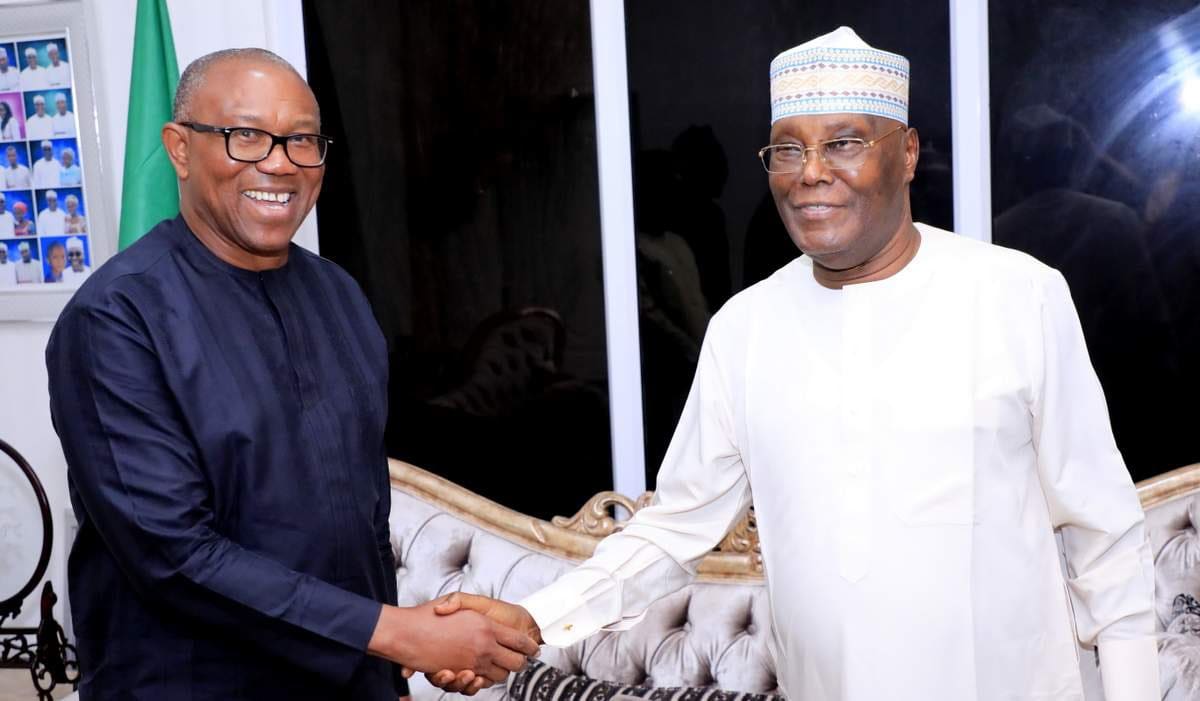
Sokoto State has also featured in the wider national debate over political intimidation and the security of opposition activities. Political disagreements in the state might degenerate into confrontations that would discourage citizens from exercising their democratic rights. A political environment in which supporters fear attending meetings or publicly declaring their preferences is a dangerous development that requires immediate attention.
In Enugu State, allegations of attacks on opposition political activities have further darkened the political atmosphere. The Peoples Democratic Party (PDP) and NDC have accused political opponents of disrupting their activities in parts of the state, including Nkanu West. Opposition accounts have referred to armed hoodlums invading meetings, injuring participants and destroying political materials. The APC in the state has denied sponsoring the incidents and called for an impartial investigation.
The Enugu controversy raised fundamental question, why should political meetings become security emergencies? Political parties should be able to introduce their candidates, discuss policies and mobilise supporters without fearing an invasion by armed men. Security agencies must establish whether the reported attacks were isolated criminal incidents or part of a wider pattern of politically motivated intimidation.
Edo State has equally attracted attention following reported attacks and confrontations involving opposition supporters. The controversy surrounding violence against political personalities and supporters has reinforced concerns about the state’s political atmosphere. Opposition figures have accused the ruling party of benefiting from an environment of intimidation, while the APC has rejected allegations linking it to attacks involving rival political groups. The responsibility now rests with investigators to establish the facts and prosecute anyone found culpable.
In Delta State, reported disruptions of political mobilisation and confrontations involving supporters of rival political interests have added another dimension to the growing national concern. The Niger Delta has experienced decades of insecurity, militancy and economic disruption. It cannot afford another season in which political disagreements provide opportunities for armed groups and suspected political thugs to unleash violence. Early in October, the one-million-man march of the NDC in Asaba, Delta State capital was disrupted when armed thugs suspected to be members of the APC attacked the NDC members. In the ensuing melee, one person was confirmed dead.
The Pan-Niger Delta Forum (PANDEF) and other stakeholders have consistently emphasised the importance of peaceful political engagement in the region. The Niger Delta, PANDEF said, should not become a theatre of political hostility where the ability to mobilise armed supporters determines who can freely participate in the democratic process.
Lagos, Nigeria’s commercial nerve centre, has also found itself caught in the disturbing controversy. The reported disruption of a town hall meeting organised by the NDC and its presidential candidate, Obi, at Oregun, Ikeja, has intensified questions about political tolerance in the state. Suspected hoodlums reportedly invaded the venue with dangerous weapons, including cutlasses, cudgels and stones, triggering panic and disrupting the gathering.
The incident reportedly left some participants injured and raised questions about the security arrangements surrounding political meetings. The Lagos State Police Command subsequently announced the arrest of a suspect, while the Lagos APC denied sponsoring the attack and challenged the opposition to provide credible evidence linking the party to thugs.
The Lagos incident is particularly disturbing because it occurred in a state that prides itself on its political sophistication and democratic culture. Observers have asked, if a peaceful town hall meeting cannot proceed without fear of invasion, what assurances exist for larger campaign rallies, political processions and constituency engagements as the 2027 elections approach? Freedom of political association cannot depend on whether an individual supports the ruling party or the opposition.
Ultimately, the question confronting the APC, opposition parties, the Federal Government, INEC and the security agencies is whether Nigeria will conduct the 2027 elections through democratic persuasion or allow political thuggery to dictate the terms of engagement.
On its part, the European Union (EU) has expressed concern over reports of election-related violence, hate speech and political intimidation ahead of the 2027 general elections.
The EU alarm came in reaction to the Calabar, Cross River State attack on the convoy of presidential candidate of NDC Obi, on November 4, 2026.
Police confirmed damage to vehicles and announced the arrest of a suspect, while investigations continued.
On November 7, 2026, one person was killed and five others injured during an attack on a political procession and rally organised by supporters of NDC, along Nnebisi Road in Asaba, Delta State.
Also, the National Peace Committee said it recorded 60 election-related incidents within one month, including violence, intimidation and threats.
Speaking to these at the opening session of the Civil Society and Human Rights Defenders Forum on the State of Human Rights, held in Abuja, the EU Ambassador and Head of Delegation to Nigeria and ECOWAS, Gautier Mignot, said such incidents undermined democratic gains and discouraged citizens from participating fully in the electoral process.
He described open forums, free media, peaceful assembly and civil society organisations as essential to elections, noting that they promoted transparency and enabled citizens to share facts, debate and scrutinise candidates for elective office without fear of censorship or retaliation.
“Free civic and political spaces also help hold leaders and institutions accountable by enabling CSOs and active citizens to monitor election administration, track campaign promises and challenge government policies.
“By enabling free association and assembly, robust civic and political spaces prevent authorities from backsliding or from manipulating rules.
Follow Politics
“It is vital to ensure credibility and public confidence in an election. The absence or weakening of these safeguards will directly undermine citizens’ rights to participate meaningfully in elections. This is why the European Union, together with its member states, is committed to ensuring the sustenance of free civic and political spaces in Nigeria,” the EU leader added.
He further pledged the EU’s commitment to support key institutions such as the National Human Rights Commission, NHRC, and CSOs to synergise efforts towards strengthening democracy and good governance in the country.
“Our objective is not to interfere in the elections but to support legitimate Nigerian stakeholders to fully play their roles in order to contribute to a free, fair, credible electoral process.
“Stakeholders, the public sector, civil society, political parties, the media, all have a very important role to play,” Mignot stated.
But the Presidency has reacted after supporters of the presidential candidate of the NDC, overpowered thugs who came to disrupt their meeting in Lagos state.
This was contained in a post that Temitope Ajayi, the Special Adviser to President Bola Ahmed Tinubu on Media and Publicity shared on his official X handle on Thursday, November 12, 2026.
This is coming after Peter Obi, the NDC governorship candidate in Lagos state, Funso Doherty and several other party chieftains held a town hall meeting in the Oregun area of Lagos state.
However, In the statement that Temitope Ajayi shared on his official X handle, the act was condemned. He stated that people should be allowed to gather peacefully without any form of victimization or molestation.


